What are RCS messages and how do they differ from traditional SMS? | 5BONSAI
See how RCS messages turn a standard SMS into an interactive customer communication channel.
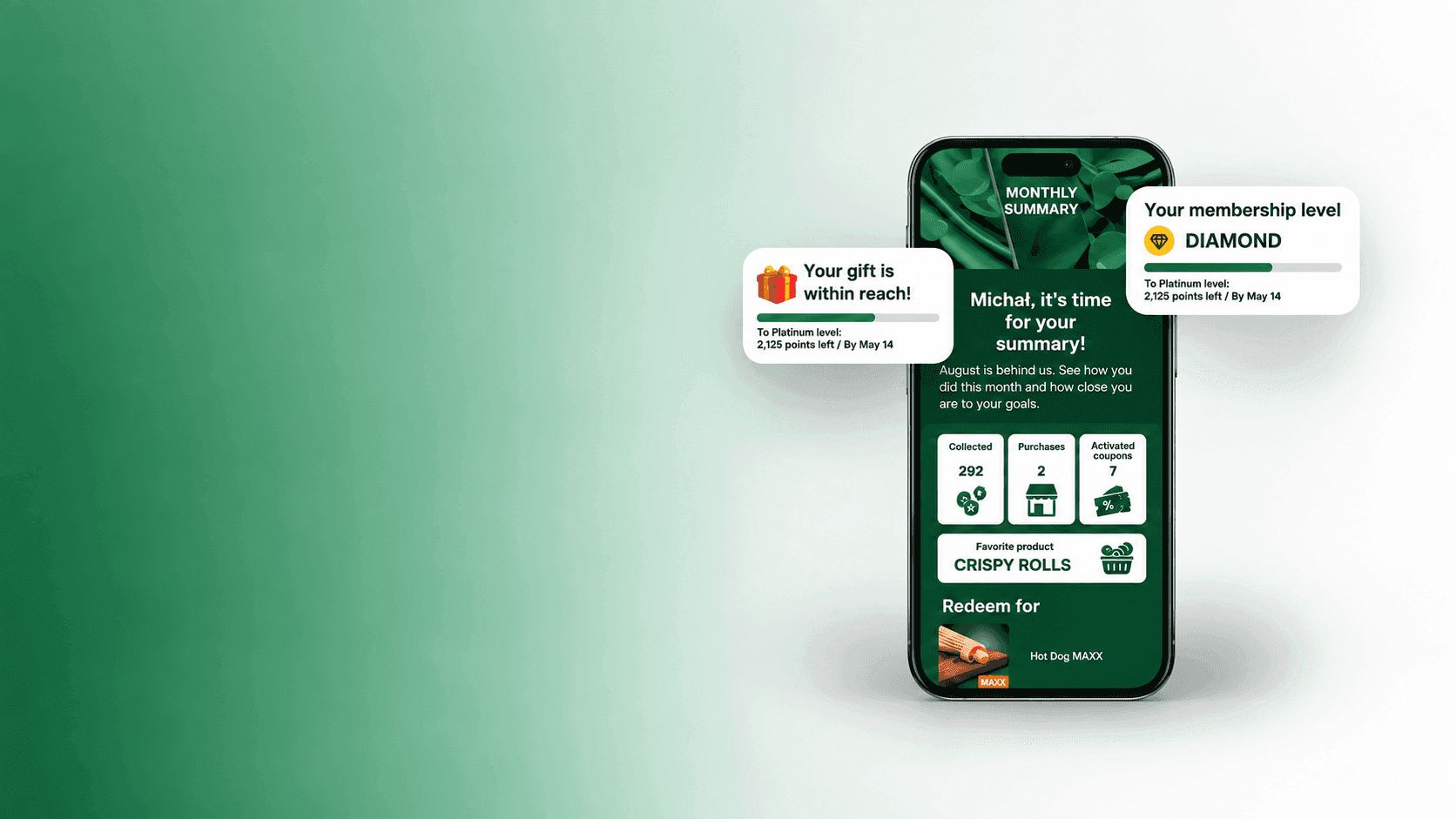
Unlock the potential of the SMS 2.0 standard and see how to transform a standard message into an interactive marketing, sales, and customer service channel.
Although traditional SMS messages still reliably reach recipients, their technological limitations are very noticeable today. According to data published in Gartner analytical reports, standard SMS achieves an impressive open rate of up to 98%. However, rigid character limits and the inability to send high-quality graphics mean that this channel simply falls behind modern communication standards.
The answer to these challenges is RCS (Rich Communication Services) technology, commonly referred to as the SMS 2.0 standard. This modern solution allows brands to go beyond the rigid constraints of plain text and turn a traditional message into an interactive, engaging customer communication channel.
Here is what we have covered:
- What are RCS messages and how do they work?
- RCS vs. SMS: How do these communication channels differ?
- What features does RCS Business Messaging offer?
- How to use RCS messaging in marketing and customer service?
- RCS campaigns step by step: What to keep in mind before implementation?
- Will RCS messages replace traditional messaging?
What are RCS messages and how do they work?
RCS is a modern standard for sending text and multimedia messages on mobile phones. Instead of relying on a traditional cellular network, this technology uses an internet connection (both Wi-Fi and mobile data) to operate.
For the average user, this means that the default messaging app on their phone (such as Google Messages on Android or the iMessage app on Apple devices starting from iOS 18) gains features previously seen only in popular instant messaging apps.
Key features of RCS messages from a user's perspective:
- No character limit: You can write as much as you need without restrictions.
- High-quality multimedia: You can easily send photos, graphics, GIFs, and videos without a drastic loss in resolution.
- Delivery receipts and status: You can see exactly whether a message was delivered and whether the recipient viewed it ("read" status).
- Convenient group chats: Creating group conversations and sharing real-time location works smoothly and without delays.
- All these features make daily communication natural and engaging for users, allowing brands to build significantly stronger relationships with their audience.
If you want to dive deeper into this topic, download our free e-book on effective Marketing Automation strategies.
RCS vs. SMS: How do these communication channels differ?
SMS is simple, fast, and universally known, but it has its limitations. Most often, it contains short text and a link-without graphics, buttons, carousels, or advanced interactivity. RCS goes a step further by allowing you to build a richer experience directly inside the message.
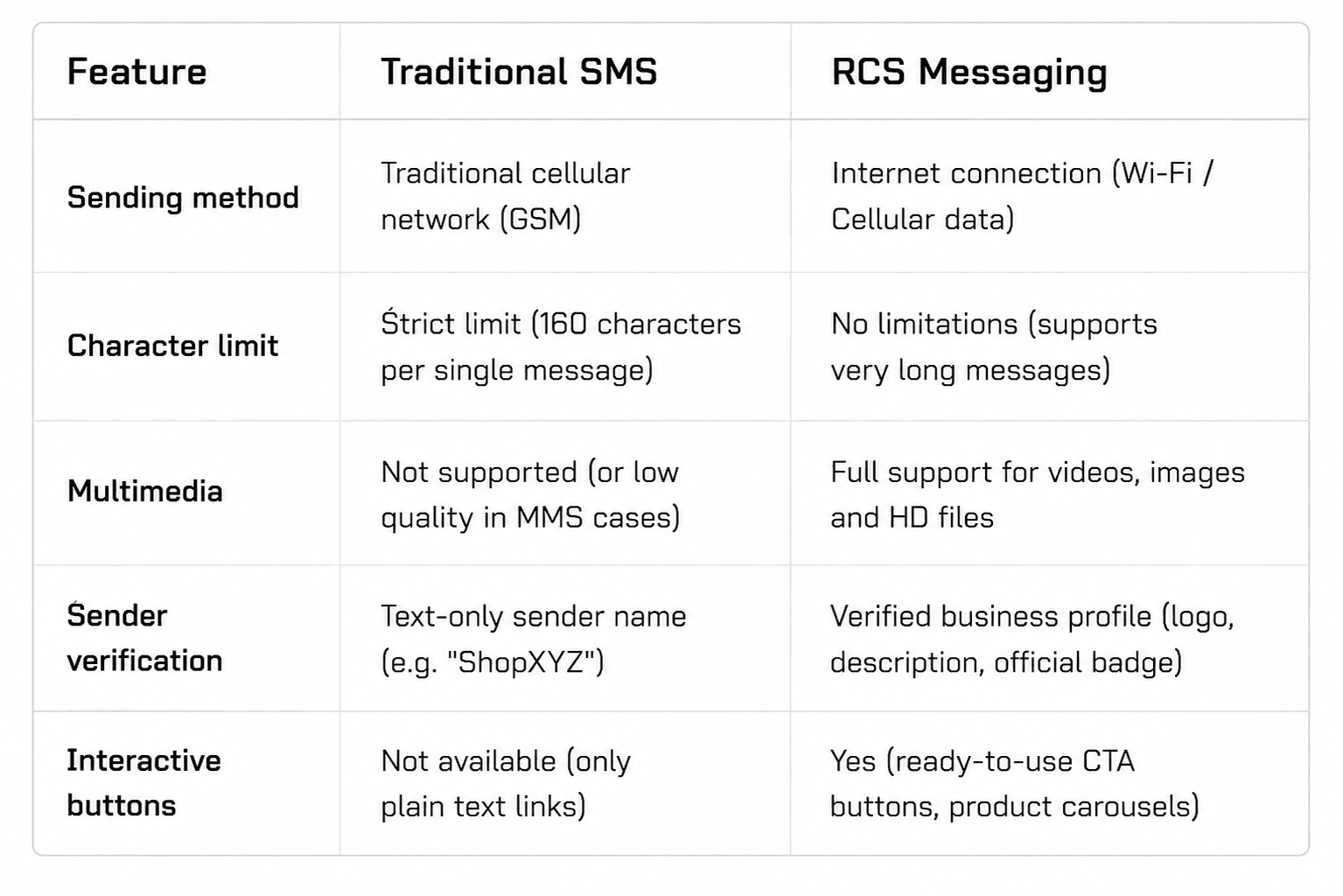
This doesn't mean RCS replaces SMS entirely. In reality, the two channels can complement each other. SMS remains ideal for quick notifications, OTP codes, and transactional updates. RCS takes the lead when brands need to showcase more-whether that’s products, promotional offers, decision paths, or interactive customer service workflows.
What features does RCS Business Messaging bring to the table?
RCS Business Messaging, often called RCS for Business today, enables companies to deliver a far more interactive customer experience. It plays a crucial role across sectors like marketing, e-commerce, retail, finance, telecom, travel, and customer support.
Key RCS features for business include:
- Verified sender status
- Brand logo and name in the message
- High-quality graphics and videos
- Product or offer carousels
- CTA buttons
- Quick replies
- Delivery and read receipts
- Ability to redirect to a website, app, map, or phone call
- Conversational workflows
- Integration with CRM and Marketing Automation systems
Thanks to these features, an RCS message is more than just a notification. It can become the start of a conversation, a product showcase, or a streamlined buying journey. The user doesn’t need to copy a code, search for a link, or wonder what to do next. The primary action can be completed right inside the message. Shortening this mobile journey is the simplest way to retain customers and close sales.
How to leverage RCS messaging for marketing and customer support?
RCS shines wherever quick user engagement and a seamless mobile experience are key. It’s a versatile channel capable of driving both sales campaigns and post-purchase communication.
Abandoned Cart Recovery
Send your customer a sleek reminder featuring a photo of the product left behind, along with a button to complete the transaction instantly. This simple, visually appealing nudge can realistically recover up to double-digit percentages more orders than a standard text message.
Dynamic Order Status Notifications
Instead of a dry "Package shipped" update, send an interactive map or a button linking directly to shipment tracking. This way, the customer doesn't have to copy tracking numbers or search external courier sites-all the essential details are right at their fingertips.
Promotional and Sales Campaigns
A brand can send customers a message featuring a product image, a short description, the price, and a "Buy Now" button. In e-commerce, RCS can promote new collections, seasonal sales, limited-time offers, or personalized recommendations based on past purchases.
Loyalty Programs
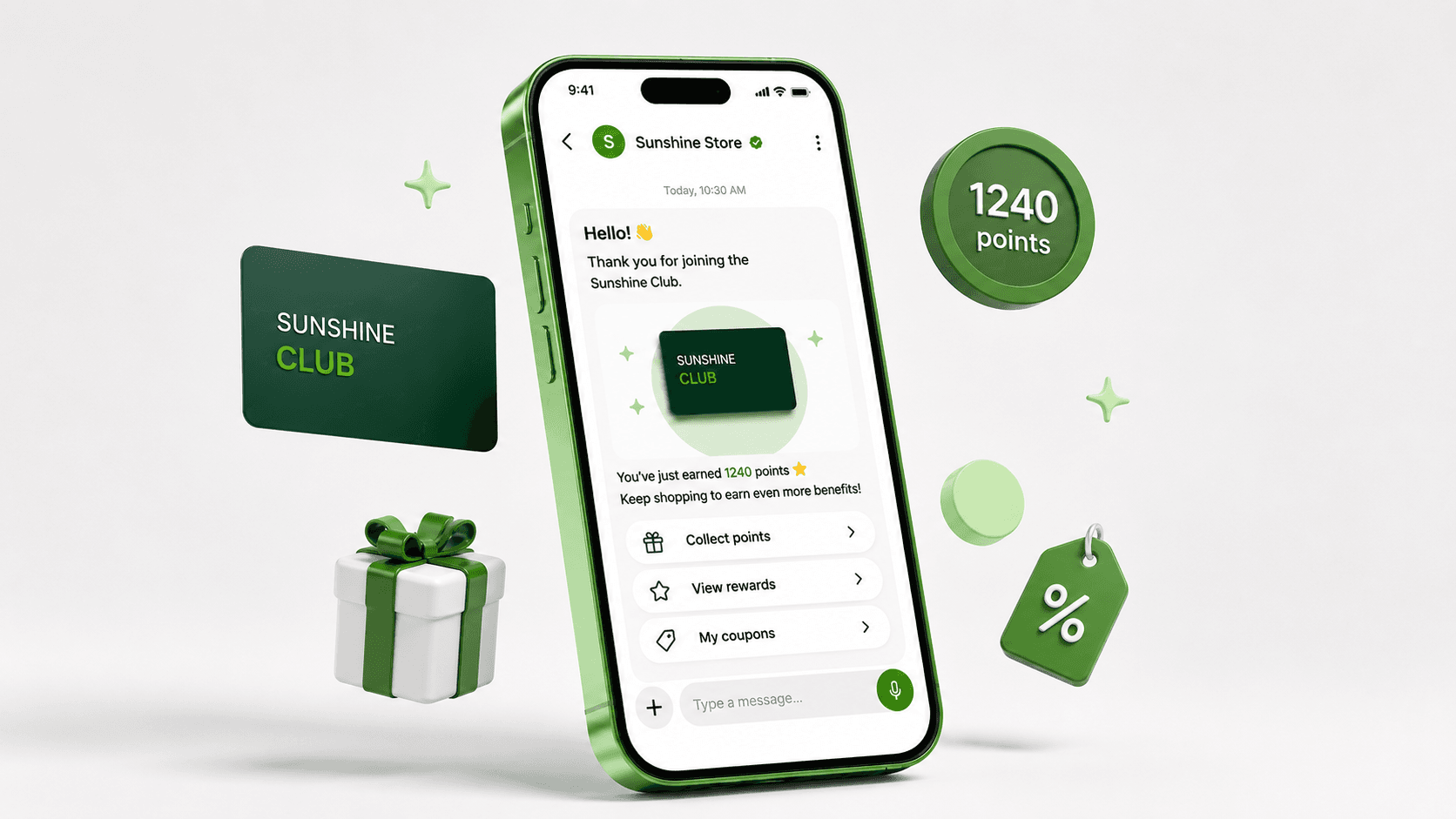
RCS can remind users about their points, tier status, available rewards, or benefits. The message can include buttons like "Claim Reward," "Check Points Balance," or "Activate Coupon" - a far more convenient experience than standard text notifications.
Local Communication
In retail, RCS can guide customers to the nearest store, showcase local offers, or encourage in-store visits. Combining geolocation with CRM data enables brands to create messages tailored to location, time, and purchase history.
Step-by-step RCS campaigns: What to keep in mind before implementation?
RCS offers great potential, but it shouldn't be treated as just a "fancier SMS." It’s a channel that requires a well-thought-out scenario, solid data, and a clear campaign objective.
Before rolling out a campaign, consider the following:
- What is the primary goal: driving sales, delivering updates, boosting engagement, or providing customer support?
- Which CRM or Marketing Automation data can leverage personalization?
- What is your fallback mechanism for devices that don't support RCS?
- Which call to action (CTA) best drives the desired result?
- Is the message fully compliant with GDPR and customer opt-ins?
- How will key campaign metrics and ROI be evaluated?
- Does the message align with the wider customer journey?
Outstanding RCS campaigns aren't one-off blasts. They are a key part of a single, integrated omnichannel ecosystem-working smoothly with email, SMS, mobile apps, web push, WhatsApp, loyalty programs, and Marketing Automation platforms.
Will RCS replace traditional SMS?
Classic SMS isn't going away anytime soon-it's still reliable for quick, simple alerts. But the future belongs to rich visuals and interactive action buttons. RCS is the natural evolution of messaging: customers simply prefer browsing product photos and chatting with verified brands over reading dry, plain text.
Research from Sinch, Google's global technology partner, highlights that RCS campaigns can lift customer engagement by as much as 85% compared to traditional text messages-driving noticeably higher conversion rates.
Ready to explore how RCS messaging can work for your business? Book a free consultation today!